

Civil society leaders are calling on governments and stakeholders to prioritise communities and children in climate action, warning that they bear the brunt of climate change.
Gift Numeri, chairperson of the Civil Society Network on Climate Change (CISONECC), appealed on Friday, March 27, 2026, during the closing of the 5th African Regional Conference on Loss and Damage in Lilongwe, Malawi.
“Communities are suffering from droughts, floods and food insecurity,” Numeri said.
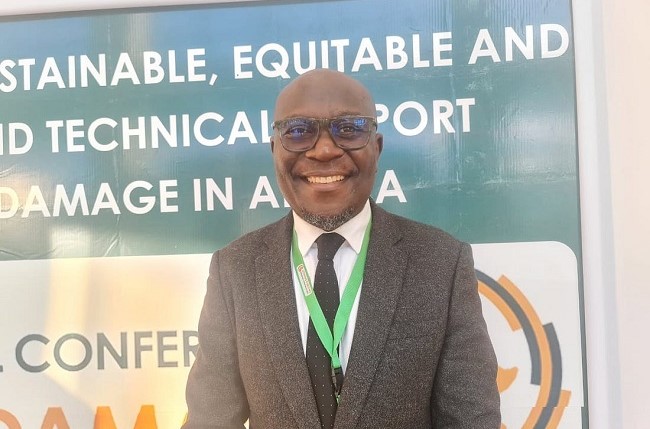
“We must ensure our climate strategies are inclusive and that they listen to the voices of our communities, especially our children.”
He urged investments in youth-led climate initiatives, climate resilience, sustainable agriculture and education to empower young people to become climate leaders.
“In Malawi, we are seeing the impacts of climate change firsthand, but we are also seeing the power of community-led solutions. Let us support these efforts,” Numeri said.
Numeri also called on governments and companies to be accountable for their role in climate change and encouraged scaling up community-driven climate projects.
Lucy Alufandika, a lead farmer from Kholongo Village under Traditional Authority in Chikwawa District, highlighted the role of local structures such as the Village Disaster Risk Management Committee in responding to disasters.
“Our district is highly affected by floods and other disasters. As a committee, we report to relevant authorities for timely solutions,” Alufandika said.
She pledged to continue sharing climate information and appealed for improved agricultural systems to address persistent food insecurity caused by recurring disasters.
The resolutions from the conference will feed into discussions at the upcoming COP32 summit, aiming to shape climate action across the continent.
By Steria Manda, AfricaBrief