

In a period of economic uncertainty and escalating climate impacts, The Green Connection is of the opinion that South Africa’s Budget 2026 misses a critical opportunity to use the Just Energy Transition (JET) as a driver of inclusive development, job creation and long-term resilience.
While some short-term relief measures are welcome, the eco-justice organisation argues the Budget does not address the structural drivers of inequality, poverty and unemployment.
“We have heard many of these commitments before,” says The Green Connection’s Outreach Ambassador, Neville van Rooy.
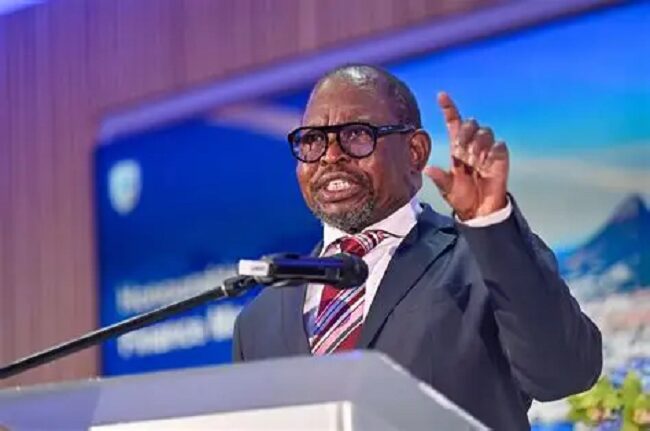
“South Africa needs structural reforms that break with old patterns – reforms that align fiscal policy with climate realities, support low-carbon development, and equip people with the skills needed for the future. A genuinely pro‑poor budget must look beyond short-term relief and focus on long-term security by prioritising climate resilience, accessible clean energy, and the large-scale creation of dignified, sustainable livelihoods,” adds van Rooy.
Just Energy Transition: Funding Without Clarity
South Africa has secured significant international climate finance for the Just Energy Transition, yet Budget 2026 provides limited detail on allocations, timelines or implementation mechanisms. Without ring-fenced funding, measurable targets and clear oversight, The Green Connection warns that the transition risks becoming rhetorical rather than transformative.
“Where are the investments in socially owned renewables, community-based infrastructure and youth skilling at scale?” asks van Rooy. “A just transition must reduce inequality and create sustainable work – not deepen dependence on extractive fossil fuel industries. Existing planning frameworks such as the Integrated Resource Plan (IRP) and the legally required Integrated Energy Plan (IEP), should guide these decisions. However, the latest IRP still focuses too heavily on fossil fuels, and the IEP is yet to be implemented. Both of these, however, can only be considered valid, with proper input from the people who have to live with these decisions.”
Continued fiscal support for fossil fuels is an ongoing concern. Energy subsidies more than tripled between FY2017 and FY2020 to ZAR 172 billion ($10.4 billion), with the largest allocations directed toward coal-fired electricity, according to the International Institute for Sustainable Development (IISD).
Even the carbon tax – a positive signal to major emitters such as Sasol – is insufficient on its own. Large emitters require credible Just Transition plans aligned with South Africa’s carbon budget, particularly as energy-intensive sectors expand, to now also include the impact of data centres.
Climate Impacts Already Reshaping Communities
The energy crisis remains a lived reality for poor and working-class households. While measures to stabilise municipal finances are welcomed, the Budget does not clearly ring-fence funding for climate adaptation or disaster management.
According to van Rooy, “For every dollar spent on climate adaptation, studies estimate a return of more than $10 in social and economic benefits, within a decade. These are high-return investments that reduce future disaster costs and create jobs. Why are they not central to fiscal planning?”
Communities displaced by floods in KwaZulu-Natal remain without permanent housing, while recurring droughts in the Eastern Cape affect communities’ access to clean water and continue to undermine local food systems. And small-scale farmers have already suffered R65 million in losses. In addition, coastal communities are also under pressure. Small-scale fishers face warming oceans, shifting fish stocks, industrial pollution and extreme weather events – yet Budget 2026 makes no targeted provision for small-scale fisheries support, coastal adaptation or marine ecosystem protection.
A credible just transition must include the ocean economy – protecting marine biodiversity and securing the livelihoods of artisanal fishers – not only promoting large-scale industrial energy projects. As early as 2024, Reserve Bank Governor, Lesetja Kganyago, warned that rising climate-related disaster costs would increasingly burden the public purse. Climate change is already driving infrastructure damage, emergency spending and livelihood losses.
“With just four years until the 2030 emissions‑reduction deadline of exceeding the potentially catastrophic 1.5°C threshold – Budget 2026 represents a crucial opportunity to invest in energy solutions that meaningfully improve people’s lives,” says Lisa Makaula, The Green Connection’s Advocacy Lead. “Community‑owned renewable energy reduces energy poverty, strengthens local economies and enhances safety. These are the foundations of long‑term stability.”
Infrastructure Choices Risk Fossil Lock-In
Government’s emphasis on infrastructure-led growth is positive in principle, particularly investment in rail and ports that could shift freight from road to rail and reduce emissions. However, The Green Connection cautions that governance reform, transparency and operational sustainability are prerequisites for success.
The carbon border adjustment mechanism (CBAM) also presents a material risk for South Africa. If we maintain our reliance on fossil fuels, especially coal, exporters could face significantly higher taxes when trading with regions implementing CBAM‑aligned policies. Therefore, expanding coal export corridors risks locking the country into carbon‑intensive growth pathways and effectively subsidising further fossil fuel expansion at a time when global markets are moving in the opposite direction.
“If this Budget is to be remembered as genuinely pro-poor,” says van Rooy, “it must move beyond short-term relief and invest decisively in climate resilience, energy justice, municipal capacity and ocean protection. That means placing long-term sustainability, intergenerational equity and environmental rights at the centre, and ensuring fiscal policy is transparent, accountable and aligned with our constitutional obligation to protect both present and future generations.”