

African universities and regional experts are working with Wellcome to establish new science
and policy consortiums that will address the escalating public health crisis driven by climate
change – saving lives and livelihoods.
Wellcome will provide an initial £40 million for two new consortiums in Southern and West
Africa, with a further £20 million earmarked to set up a third consortium in Eastern Africa.
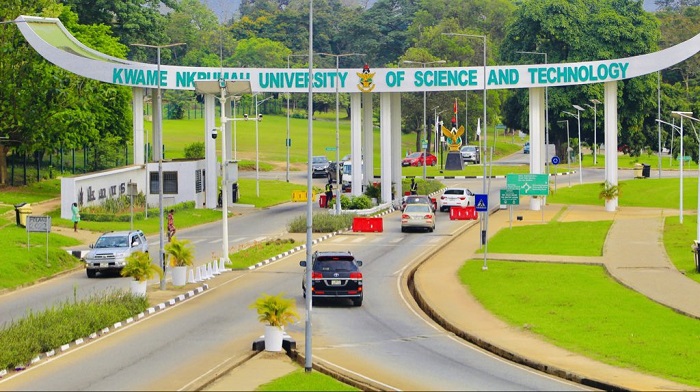
The first two regional consortiums will be led by the University of the Witwatersrand in South
Africa and Kwame Nkrumah University of Science and Technology in Ghana. Scientists, policy
makers and community partners will join forces to co-develop evidence-based solutions that
reflect local priorities and translate rapidly into policy and practice.
The Southern Africa consortium will prioritise solutions that address the health and economic
impacts of heatwaves and floods as well as develop high-quality data to support evidence
informed action. In Western Africa, the consortium will focus on the impact of heatwaves, dust
storms and drought on people’s health and nutrition to develop effective policies that also take
into consideration the economic costs and benefits.
Africa is at the frontline of a rapidly warming world. Rising temperatures are driving deadly
heatwaves, air pollution, worsening nutrition, and new threats to maternal and newborn health.
Extreme weather events fuelled by climate change are disrupting food and water supplies and
straining health systems, with marginalized communities facing the greatest burden.
Professor Charlotte Watts, Executive Director, Solutions at Wellcome, said: “Africa is on the frontline of climate change, with women and marginalised communities already suffering the worst health impacts. By supporting African science and leadership, these new consortiums will generate the evidence and locally led solutions needed to improve health and save lives – now and in the future.”
The new consortiums will strengthen scientific expertise, support innovative solutions and
provide context-specific evidence to inform policies and action across Africa. Their priorities
are based on pan-African frameworks and co-designed with regional partners over the past
two years with a focus on health and science equity.
Dr Modi Mwatsama, Head of Capacity and Field Development at Wellcome, says: “We want to help build healthier futures for everyone, and that includes ensuring African communities have access to the data, resources and expertise they need to address the climate and health challenges ahead.
“Wellcome is committed to working with partners in Africa who are best placed to develop the
regional-specific evidence that supports decision-makers and community action. Both the
accelerating crisis in Africa and the capacity for new knowledge, leadership and innovation
means that the consortiums have huge potential to improve health and save lives.”
Professor Matthew Chersich, University of the Witwatersrand and Southern Africa
consortium lead, says: “Southern Africa faces increasingly severe extreme heat and precipitation events with large numbers of highly vulnerable people, from both socioeconomic and health perspectives. The new consortium aims to overcome the knowledge, policy and financial barriers that constrain progress with care and support services for affected communities. Using a transdisciplinary and multisectoral approach, we will address extreme heat in South Africa and Zimbabwe, and flooding in Malawi, with a focus on delivering solutions that prioritise pregnant women, children, older people and those with chronic conditions.
“We will quantify, track and cost climate-health impacts; test adaptation innovations, including
anticipatory cash transfers, support for mental health resilience and complex cooling
interventions; and drive step-changes in regional stakeholder coordination and policies to
improve health and save lives. But, equally importantly, we will apply traditional public health
measures to reducing carbon emissions, pioneering health-centred approaches to mitigation.”
Professor Philip Antwi-Agyei, Kwame Nkrumah University of Science and Technology
in Ghana and Western Africa consortium, lead says: “Climate change is an escalating threat to global health and West Africa is among the most vulnerable regions due to high exposure to climate hazards, low adaptive capacity, and fragile health systems. Intensifying climate-related health risks are compounding existing inequities, straining public health systems, undermining food security and disrupting livelihoods, with GDP losses projected to rise significantly across the region.
“The current uncoordinated context-specific policies and systems pose a huge challenge in
addressing the risks associated with climate change and health – particularly in respect to
heatwaves, dust storms, and droughts on food systems and other health determinants in
Ghana and Senegal. The Western Africa consortium based in Ghana will establish a regional
approach that brings together physical and social sciences, policy and practice to ensure that
evidence is readily translated into tangible actions to benefit people’s health and livelihoods.”
Dr. Adelheid Onyango, Director of the Universal Health Coverage/Healthier Populations
Cluster at the World Health Organisation Regional Office for Africa, said: “Health leaders across Africa make vital decisions with limited resources, so having access to rigorous, context‑relevant evidence is essential. It ensures every investment backs interventions that truly work. These new consortiums will hopefully fill a critical gap in the climate and health field and will be an invaluable resource to WHO AFRO and decision‑makers across the region.”
Philip Kilonzo, Head of Policy, Advocacy and Communication at the Pan African Climate
Justice Alliance, said: “At a time when climate deniers are slowing global action, scientific evidence serves to humanise the cause for climate justice. PACJA applauds the Science and Policy consortiums as they are strategically poised to provide evidence to leapfrog advocacy on climate justice and strengthen resilience in health sector. We appreciate Wellcome Trust for this visionary investment in climate action that will build much stronger fortress of evidence, the world urgently needs.”