

In response to escalating violent conflict involving Iran and the reported closure of the Strait of Hormuz, climate justice organisation, 350.org, has warned that the crisis exposes the costs of continued reliance on fossil fuels.
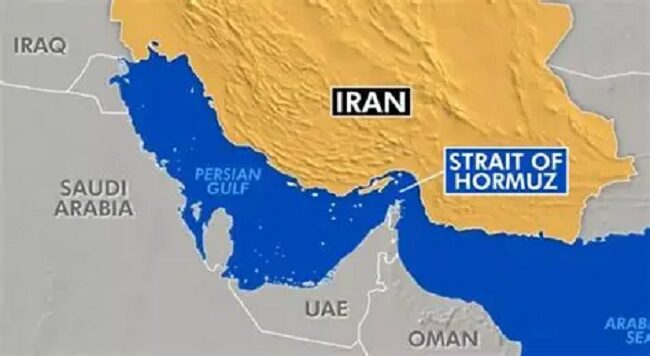
A strait between the Persian Gulf and the Gulf of Oman, the Strait of Hormuz provides the only sea passage from the Persian Gulf to the open ocean and is one of the world’s most strategically important choke points.
Iran holds the world’s third biggest oil reserves while Strait of Hormuz carries one-fifth of the world’s oil and gas supply – making it critical for the global economy and impacting people around the world and their household budgets.
Olivia Langhoff, Managing Director at 350.org, said: “The new war on Iran and the closure of the Strait of Hormuz lay bare the horrendous costs of a world chained to fossil fuels. When global energy security can be upended by a single flashpoint, it shows how unstable and risky our dependence on oil and gas is.
“Renewable energy provides home-grown power that remains secure and affordable regardless of geopolitical shocks.”
The price of crude oil has already risen 20% this year, and is expected to spike even more now. In 2022, energy and food price shocks triggered by the war in Ukraine pushed over 70 million people into poverty in the space of only three months, according to the United Nations Development Programme.
350.org is calling on governments to accelerate the transition away from fossil fuels and towards renewable energy that strengthens communities, protects the Earth, and reduces exposure to global instability.
“Once again, families will pay the price through fossil fuel-driven inflation: higher fuel costs, rising energy bills, and more expensive groceries as a consequence. All because of a system tied to a volatile, conflict-driven industry.
“Renewable energy offers a world-wide path to real and long-term energy security, one rooted in cooperation, resilience, and justice, rather than instability and violence,” Langhoff added.