

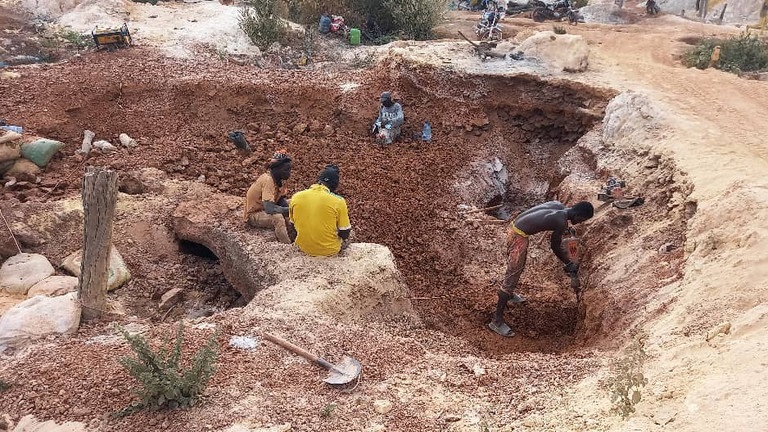
On Sunday, February 15, 2026, Women in Mining Africa (WiM-Africa) commemorated Silent 15 of Bilalikoto – Year One, honouring the over 48 women artisanal miners who lost their lives in a tragic mine collapse in Bilalikoto, Mali, on February 15, 2025.
In an address, Dr. Comfort Asokoro-Ogaji, Executive Director of WiM-Africa, reflected on the growing crisis of mine collapses and preventable deaths affecting women across Africa’s artisanal and small-scale mining sector.
From Mali to Kenya, Nigeria, Zimbabwe, the DRC, and beyond, these tragedies expose systemic failures in safety, regulation, formalisation, and accountability, she stated.
The speech has been described as a continental call to action.
- Why are women disproportionately dying in mines?
- What must governments, industry, the African Union, and buyers do differently?
- How can communities move from mourning to protection and reform?
Silent 15 of Bilalikoto stands as a movement demanding:
- Safer mining conditions
- Formalisation of artisanal mining
- Gender-responsive safety policies
- Accountability across mineral value chain
- Protection of women’s lives and livelihoods.
WiM-Africa has called on all partners, stakeholders and chapters, to dedicate this period to ensuring that these deaths do not continue in silence.
Dr Asokoro-Ogaji lamented the unsafe mining conditions while striving to provide for their families, and the lack of safety measures.
Asokoro-Ogaji also demanded accountability in the artisanal mining value chain, where many women who work in the mines are forced to sell their gold through informal networks by some unscrupulous elements, where middlemen and gold buyers exploit them with unfair prices, poor working conditions, and others.
She said: “Reports confirm that at least 48 lives were lost, the majority being women, who were engaged in mining activities as a means of livelihood. This heartbreaking incident is yet another reminder of the grave risks faced by artisanal miners, particularly women, in the absence of alternative livelihoods, and effective oversight of the artisanal mining value chain.
“This tragedy highlights the urgent need for comprehensive reforms in artisanal mining across Africa. Women are disproportionately affected by unsafe mining conditions while striving to provide for their families. The lack of safety measures, and economic alternatives leaves them with few viable choices. There must be immediate action to improve mining safety, formalize artisanal operations, and empower women with the resources and opportunities necessary to prevent such tragedies in the future.
“Beyond addressing mining safety, there is a critical need for accountability in the artisanal mining value chain. Many women working in mining are forced to sell their gold through informal networks, where middlemen and gold buyers exploit them with unfair prices, poor working conditions, and no regard for their safety. The lack of oversight in this supply chain perpetuates unsafe mining practices and economic disempowerment. The gold trade must be traceable and accountable, ensuring fair pricing, ethical sourcing, and improved working conditions for artisanal miners.
“The women lost in this tragedy were driven to the mines out of economic desperation. Without urgent policy reforms and alternative livelihood opportunities, these cycles of tragedy will continue. It is imperative for authorities to take decisive action to regulate artisanal mining, provide safer working conditions, and develop long-term economic solutions that protect women and their families.”