

Despite covering a small share of the planet, wetlands are essential for biodiversity, climate resilience, and water and food security, and with rapid loss underway, global commitments must now shift into real investment, policy change, and large-scale restoration.
Wetlands are among the most threatened ecosystems on Earth, yet they are vital for life, biodiversity, and building climate resilience. The diversity of wetlands can be seen in coral reefs and mangroves, as well as seagrass beds, lakes, rivers, and peat bogs.
They provide a wide range of services, such as carbon storage, flood control, water purification, and support for food systems and livelihoods. Although they cover only around 6% of the Earth’s land surface, about 40% of all plant and animal species live or breed in wetlands.
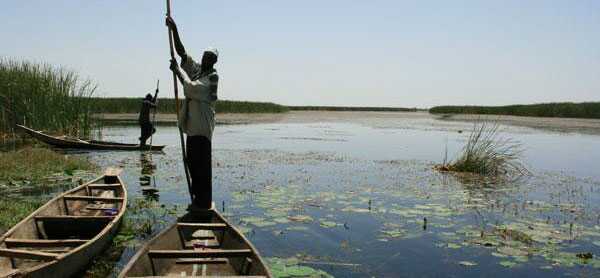
Yet 35% of wetlands have been lost in the past 50 years, and degradation is accelerating as climate change worsens. Wetland loss is being accelerated by climate change, population growth and urbanisation, particularly in vulnerable coastal zones and river deltas, as well as changing consumption patterns that are driving widespread shifts in land and water use, including agriculture. Protecting and restoring these ecosystems builds resilient ecosystems to the challenges climate change poses on biodiversity and food and water security, such as floods, droughts, and rising sea levels.
Crucial platforms to lobby change for wetlands include the upcoming Biodiversity COP17 in Yerevan, Armenia and COP31 in Antalya, Türkiye. A core priority at both events will be scaling nature-based solutions that protect restore and sustainably manage critical ecosystems.
Commitments must be turned into implementation, investment, policy reform, and on-the-ground restoration. The future of water security, food systems, and climate stability is inseparable from the future of wetlands.