

The NGA Green Academy Fellows, an initiative of the Heinrich Böll Foundation, have unveiled what appears to be a groundbreaking research report titled “Inclusive Waste Governance in Nigeria: Leveraging Informal Waste Workers for a Circular Economy.” The report spotlights the invaluable contributions of informal waste workers to Nigeria’s waste management and recycling systems, while urging policymakers to formally recognise and protect this vital sector.
According to the report, informal waste workers are responsible for an estimated 60–90 per cent of waste collection and the recovery of recyclable materials within Nigeria’s circular economy value chain. Despite their crucial role, these workers continue to face significant challenges, including occupational and health risks, harassment, poverty, and social stigma. The report calls for inclusive governance strategies that integrate informal workers into policy development, planning, and implementation.
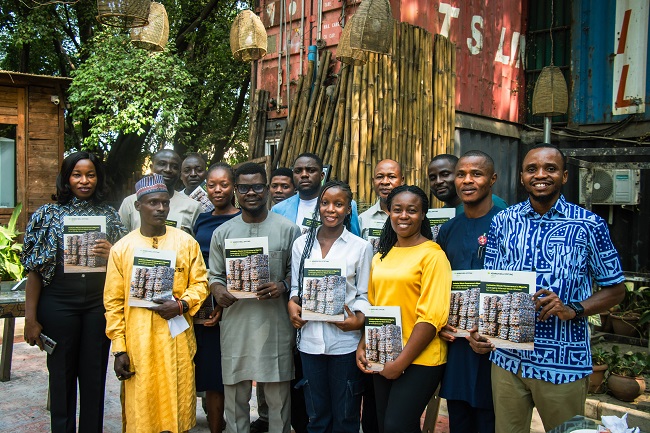
The launch event convened a diverse group of stakeholders in Abuja, including informal waste workers, formal waste management and recycling companies, civil society organisations, media, international bodies, and government representatives. The discussion focused on strengthening environmental sustainability and advancing circular economy practices in Nigeria’s capital.
Co-Lead Researcher, Eugene Yakubu Shichet, described informal waste workers as “unsung heroes” whose efforts keep Nigerian cities clean, sustain the recycling industry, and contribute significantly to national economic growth. He noted that the event sought to amplify the voices and lived experiences of these workers. In tandem, a photo exhibition showcased portraits and stories of informal waste workers, bringing their challenges and positive environmental impact to the forefront.
Ms. Sophie von Knebel, Country Director of the Heinrich Böll Foundation, emphasised the importance of people-centred, inclusive approaches to waste governance. She stressed that achieving a cleaner, more sustainable society requires meaningful involvement and recognition of informal waste workers, as well as the upholding of their human dignity.
Representing the government, Hajiya Hannatu Ibrahim, Head of the Environmental Department at the Abuja Municipal Area Council (AMAC), called for closer collaboration between government, NGOs, and recyclers to improve waste management. Noting that the publication’s alarming findings on the severe exposure of informal waste workers to hazardous and chemical waste underscores the urgent need for the government to implement policies that ensure these workers have access to comprehensive health services at subsidised rates.
Lead Researcher, Aniebiet Obot, provided context on Nigeria’s mounting waste crisis, noting the effects of rapid urbanisation and rural-urban migration, with urban centres generating an estimated 40,000-60,000 tonnes of waste annually. He advocated a transition from linear waste systems to a circular economy, recognising the pivotal role informal waste workers play in last-mile waste collection and in supplying materials for recycling. Aniebiet also identified existing structural gaps and the lack of a harmonised waste governance framework as barriers to effective waste management, while commending AMAC’s steps toward recognising informal workers in its new waste policy.
Panel discussions delved into the realities faced by informal waste workers and explored practical strategies for integrating the informal sector into formal waste governance and recycling systems. Stakeholders reaffirmed that inclusive policies that recognise, protect, and partner with informal waste workers are essential to building a sustainable, circular waste economy in Nigeria.
The full report, “Inclusive Waste Governance in Nigeria: Leveraging Informal Waste Workers for a Circular Economy,” is available for download at: https://ng.boell.org/en/2026/01/23/inclusive-waste-governance-nigeria