

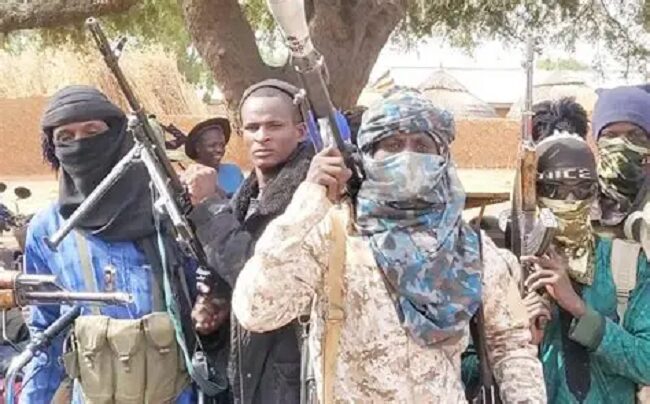
Nigeria’s efforts to negotiate with bandit groups continue to fail in achieving lasting peace, according to recent research by the Centre for Development Communication (CDC). The study focused on Otukpo in Benue State, Barkin Ladi in Plateau State, and Yagba West in Kogi State, areas heavily affected by banditry.
Through 36 interviews with men, women, youth leaders, security personnel, and NGO representatives, the research uncovered systemic weaknesses in the country’s negotiation approach.
A central finding is that Nigeria’s strategy is largely transactional. Negotiations focus on amnesty, cash payments, logistics, or temporary ceasefires, rather than addressing the root causes of violence.
Participants explained that terminating disputes without resolving underlying issues only ensures that conflicts resurface. Youth leaders and local residents emphasised that genuine progress requires participatory negotiation processes designed by experts who place communities – not politicians – at the centre.
Communication failures further undermine the legitimacy of peace efforts. Negotiations are elite-driven, state-centric, and heavily militarised, leaving communities largely excluded. Women, farmers, pastoralists, and local mediators are rarely recognized as active peace actors.
This exclusion fosters mistrust and erodes confidence in state-led dialogue. Communities are often portrayed as passive victims, while bandits are framed solely as criminals, oversimplifying complex realities and weakening transformative peacebuilding.
The research also highlighted the neglect of indigenous knowledge systems. Traditional arbitration, inter-communal dialogue, shared resource arrangements, and culturally rooted accountability mechanisms have historically managed conflict, yet they are sidelined. Social realities such as land pressure, governance breakdown, rural marginalisation, and historical grievances are often ignored, limiting the effectiveness of negotiations.
Participants stressed that lasting peace requires more than temporary agreements. Conflict transformation demands shifts in relationships, narratives, and power dynamics. Dialogue must go beyond ending violence to repair trust, empower communities, and foster ownership of peace processes. Without participation, ceasefires collapse because they fail to address the conditions that make violence a rational choice.
Based on these findings, CDC recommends reframing negotiations as participatory processes that include women, youth, farmers, pastoralists, and local mediators in dialogue design, monitoring, and decision-making. Community narratives and social realities must guide policy reforms and locally grounded peace frameworks.
Communication should be used as a tool for inclusion and systemic change, restoring dignity, building trust, and fostering shared ownership of peace. Sustained listening platforms, dialogue, and narrative repair initiatives are essential to redefine communities as active agents of peace.
Unless these deliberate shifts are implemented, Nigeria’s banditry negotiations will continue to produce temporary ceasefires rather than achieving sustainable conflict transformation. Genuine, people-centered, and participatory communication is the missing link that can turn negotiation into long-term peace.
By Audu Liberty Oseni, Director, Centre for Development Communication