

Sustainable Research and Action for Environmental Development (SRADeV Nigeria) has commended the National Agency for Food and Drugs Administration and Control (NAFDAC) for its enforcement of the ban on alcoholic beverages packaged in sachets and in PET bottles below 200ml.
The decision, according to the organisation, represents “a very bold, professional action that clearly places public health and environmental protection above narrow economic interests, and portends a major turning point for environmental health sustenance in Nigeria”.
While NAFDAC had signalled plans in previous years to ban or restrict alcoholic drinks packaged in sachets and sub-200ml PET bottles, enforcement timelines were repeatedly extended following industry pushback and resistance leading to prolonged stakeholder consultations.
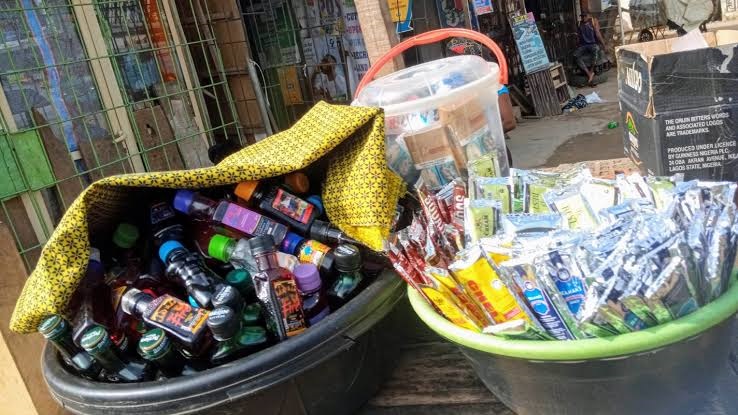
SRADeV believes that the renewed and firm enforcement now signals a critical policy shift that affirms that public health and environmental wellbeing must take precedence over narrow commercial interests.
“This decision reflects regulatory resolve, a commitment to evidence-based governance and a bold statement of intent from NAFDAC under the leadership of the current DG, Prof. Mojisola Christianah Adeyeye,” stated SRADeV in a statement endorsed by Dr. Leslie Adogame, the Executive Director.
Findings from SRADeV Nigeria’s Plastics Brand Audit conducted in Lagos State and many other states of the Federation, between 2019 and 2024 suggest that PET bottles remain the numberone plastic pollutant, while sachet-packaged products, including alcoholic drinks, consistently ranked as the second major source of plastic pollution in Nigeria.
These materials are predominantly single-use, difficult to recover and recycle, and disproportionately contribute to clogged drainages, flooding, and urban environmental degradation. Their prevalence in informal consumption markets further exacerbates improper disposal and leakage into waterways and coastal ecosystems.
“Continuous lobbying by industry players and plastics manufacturers must not override the public health and environmental consequences of single-use plastics. NAFDAC’s bold and responsible decision deserves national commendation as it sends a clear message that the health of Nigerians and the integrity of our environment must always come first,” said Dr. Adogame.
The National Plastic Waste Management Policy (2020) and the upcoming NESREA plastic waste regulation identify these single-use plastic such as straws, lightweight bags, sachets, bottles, for phased reduction or elimination to promote environmental sustainability. Although NESREA’s regulations to implement these policy goals has yet to be officially gazetted largely due to industry over-bearing influence, however NESREA’s ongoing regulatory focus reflects the policy’s direction on plastics and calls for synergy by both institutions.
Together with NAFDAC’s actions, although driven by public health concerns on the alcoholic drinks, this alignment across regulatory institutions highlights how deeply cross-cutting the plastic issue is, linking public health, environmental protection, waste management, and social wellbeing.
SRADeV Nigeria also notes that this policy action supports the growing global call to eliminate single-use plastics – a position that almost all the 64 African countries currently upholds, which have become a pervasive menace worldwide. From marine pollution and biodiversity loss to climate impacts and chemical exposure risks, single-use plastics pose an undeniable threat. Countries and cities across the world are increasingly prioritising reuse systems, refill models, and sustainable packaging alternatives. Nigeria must not be left behind in this global transition.
“This moment reinforces the urgent need to move away from unsustainable ‘throwaway culture’. Reuse era is no longer optional, it is a practical, climate-smart, and environmentally responsible lifestyle choice,” saidManu Hannatu Ahmadu, Communications and Outreach Officer, SRADeV Nigeria.
SRADeV Nigeria says it stands firmly with NAFDAC in this action and calls for sustained enforcement, public awareness, and complementary policies from other relevant government bodies that promote reuse, waste reduction, and environmentally sound alternatives. Protecting public health and safeguarding our environment must remain non-negotiable priorities.