

A new study by World Weather Attribution released on Thursday, January 22, 2026, reveals that fossil fuel emissions made the Australian wildfires this month five times more likely. Scientists say that extreme weather is fast “becoming the norm,” warning that without drastic emission cuts, similar heatwaves can be expected every other year by the end of the century.
Meanwhile, severe rainfall and flooding in South Africa, Mozambique and Zimbabwe killed hundreds and displaced more than 200,000 from their homes this week – as new data shows that just 32 fossil fuel companies are responsible for more than half of global emissions.
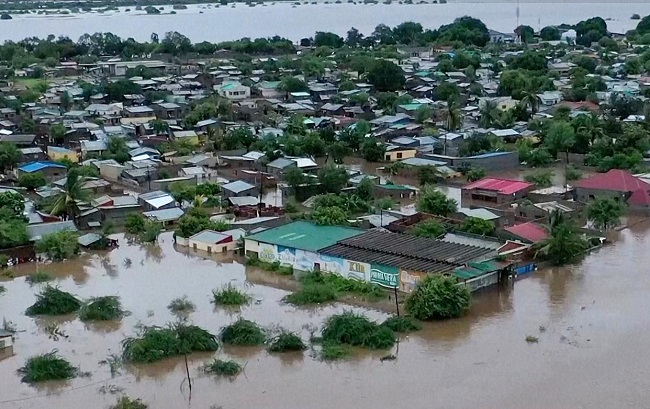
Savio Carvalho, 350.org Managing Director for Campaigns and Networks, said: “The contrast is stark and disturbing. The world’s richest gather in Davos to pay lip service to protecting ‘planetary boundaries’ while avoiding mention of climate change and the fossil fuel phaseout that we need to stop its worst impacts. At the same time, communities living in poverty across Southern Africa are being washed out.
“Climate-driven death and destruction should never be accepted as inevitable. At COP30, more than 80 countries already agreed to chart a roadmap to transition away from fossil fuels. This momentum must be seized. Phasing out fossil fuels, not extreme weather, should be our norm.”
Jacynta Fa’amau, 350.org Pacific Campaigner, said: “Australia needs to understand that the situation will only get worse if we allow this runaway train that is the fossil fuel industry to continue. As a Samoan living in Australia, I know the reality of intensifying climate disasters. Just as the tropical cyclones grow in strength in the Pacific, so do the heatwaves here in Australia.
“In my home city of Melbourne, temperatures went over 44ºC, and devastating bushfires in Victoria pushed us to declare a state of disaster. Alarm bells should be ringing, and the floodlights should be pointed at the coal and gas industry.”
Alia Kajee, 350.org South Africa Campaigner, said: “This disaster is a wake-up call we can no longer ignore. As the continent’s largest emitter, South Africa bears a responsibility to stop fuelling climate instability that threatens our survival and that of our neighbours. Acknowledging our role is the first step. True climate justice demands that we come up with a concrete plan to urgently phase out fossil fuels.
“We need accessible resources directed right down to the local level. Local governments should not just be left to cope with disasters but should be supported and funded to build resilience and harness renewable energy. Moving from coal to renewables is critical for our survival. But it must be a just transition, one that is anchored in public finance, ensures dignified jobs and safeguards human rights.”