

A new wild horse reserve was recently established in the north of the Czech Republic, in an area known as the Bohemian Paradise. The animals were provided by the large “European Serengeti” ungulate reserve located near Prague.
“This new reserve is the seventeenth reserve for large herbivores that we have helped to establish. For now, it is a small reserve, but it is expected to continue to expand in the future,” said Dalibor Dostal, director of the European Wildlife conservation organisation.
As in previous projects, wild horses in the new reserve will also be removing invasive species of grass and other plants, thereby making room for rarer types of vegetation.
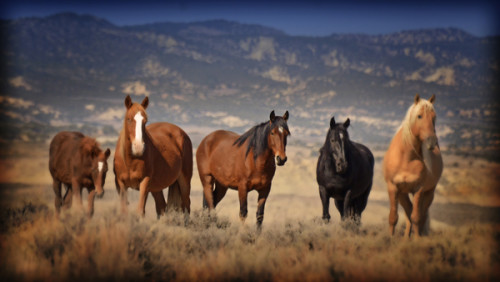
“Plans originally called for the reserve to be established this autumn. “However, the reserve’s operators had already managed to get everything ready over the winter, so we moved the transfer of the wild horses up,” added Dostal.
“We provide large ungulates free of charge to newly established reserves, as part of our efforts to support the improvement of nature conservation in Central Europe,” added Dostal.
Large ungulates help to restore biodiversity. For example, in the Milovice nature reserve, populations of rare species of flowers and butterflies have increased by hundreds or even thousands of per cent as a result. At the same time, they help to protect the climate and sequester carbon in the soil.
Scientific studies have calculated that grazing ecosystems involving large ungulates sequester 50 per cent more carbon than all the forests on the planet. This is where wild ungulates differ significantly from farm animals, their intensive farming, on the other hand, releases greenhouse gases into the atmosphere. Wild ungulates also help to retain water in the landscape and restore the soil. They significantly reduce the number of wildfires and lower the tick population.
The European Serengeti reserve, from where the wild horses came, covers an area of 350 hectares. This is the second reserve this year that European Wildlife has helped to establish; the first was created in January close to the Blanice River in the Šumava Protected Landscape Area.